
Hello friends,
This week’s small miracle doesn’t begin with something beautiful.
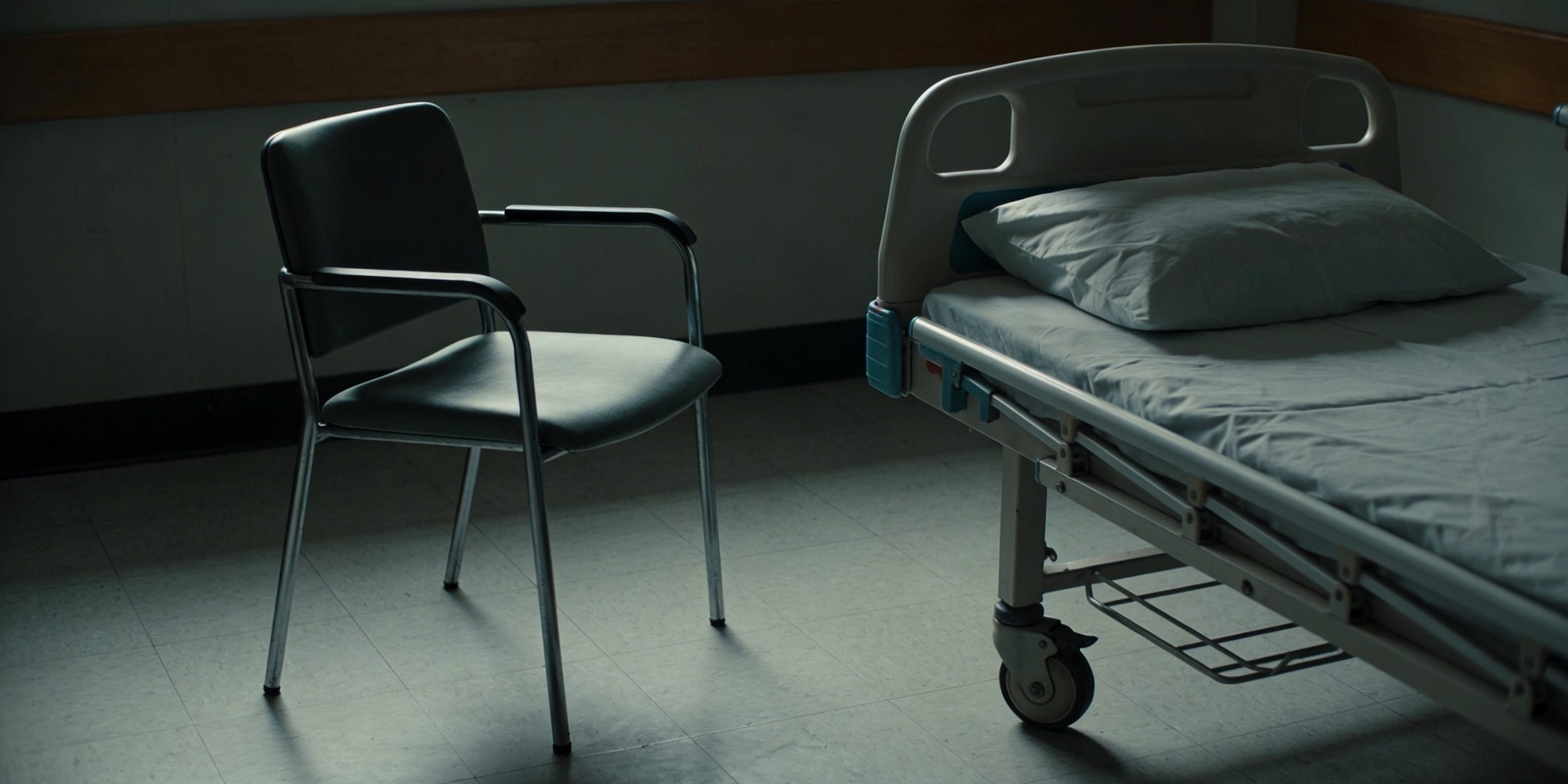
It begins in a hospital room that is far too quiet. It begins with a young man staring at the ceiling… and slowly realizing that the life he built may not have been built on love at all.
Sometimes the most important realizations don’t arrive with raised voices or dramatic endings.
Sometimes they come in stillness.
In a room where no one walks through the door. In a silence that feels heavier than it should.
This week’s story is about a boy who learned very early how to read the room. How to soften tension. How to make himself useful. And what happened when he finally had to sit still long enough to notice what everyone else’s patterns had been showing him all along.
🌿 Useful
Part 1: The Boy Who Learned to Be Useful
The hospital room was not peaceful.
It was the kind of quiet that presses against your ears. The hum of fluorescent lights. The awareness that your body is no longer moving the way it should.
Ethan had always been the dependable one.
The friend who smoothed things over.
The one who stayed a little longer.
The one who made himself easy to love by being easy to need.
Some children learn to take up space.
Others learn to manage it.
Ethan grew up studying tone shifts. Footsteps in hallways. The temperature of a room before anyone said a word. He became skilled at easing tension. At being agreeable. At anticipating needs before they were spoken.
Over time, helpfulness stopped being something he did.
It became who he was.
Years later, when an unexpected accident forced him to stop moving…truly stop…he found himself lying still for the first time in a long time.
And stillness has a way of revealing things.
Messages came in. Concern. Well-wishes. Promises to visit. But what unfolded over the next few days was quieter than dramatic. No arguments. No confrontation. Just patterns.
An empty chair beside a hospital bed. A phone that buzzed with needs…and a dawning awareness.
That is where we pause.
Because this story is not really about an accident. It is about what we mistake for love. It is about the roles we inherit without realizing it. It is about the language behavior speaks…especially when we wish it would say something else.
Read the full story here → Part 1: The Boy Who Learned to Be Useful
🌿 A Quiet Reflection
What strikes me most about Ethan’s story isn’t what happened in the hospital.
It’s what happened in the silence.
When life slows down, it becomes harder to ignore what has always been there. The effort. The imbalance. The way care sometimes depends on usefulness. None of this makes Ethan weak.
It makes him human.
Many of us learned, somewhere along the way, that being needed was the safest way to belong. And sometimes we carry that lesson long after it stops serving us.
Awareness doesn’t arrive loudly. It arrives gently. And when it does, it offers something simple but powerful: the chance to build something different.
Lately, I’ve been thinking a lot about the patterns beneath stories like Ethan’s.
Why do some people become the caretaker?
Why do we ignore what behavior is showing us?
Why do we keep giving the benefit of the doubt long after the evidence becomes clear?
Why is it so difficult to trust what we already know?
Many of you have been asking versions of these same questions.
The more I explore them, the more I find myself returning to one idea:
Behavior is a language.
Not just in relationships.
In families.
In friendships.
In workplaces.
And in the stories we tell ourselves about who we have to be to earn belonging.
I’ve been working on something behind the scenes that explores these questions more deeply, and Ethan’s story touches many of the same themes.
How we read patterns.
How we build self-trust.
How we recognize the difference between being loved and being needed.
And how we learn to respond with dignity when those truths become clear.
🌿 What’s Next
Next week, we’ll step further into Ethan’s story. Into the names he was given. Into the patterns he almost defended. Into what it actually takes to stop confusing usefulness with worth.
If you have ever been the strong one…
The reliable one…
The one who rarely asks for help…
Part 2 may feel familiar.
Until the next small awakening,
May you notice what quiet moments are teaching you.
Sometimes we become so accustomed to earning our place through usefulness that we mistake being needed for being valued. And yes! I like the idea that behavior is a language. Actions often communicate truths that words struggle to express, especially when we're reluctant to see them. A great reflection Maria.